\!DOCTYPE html>
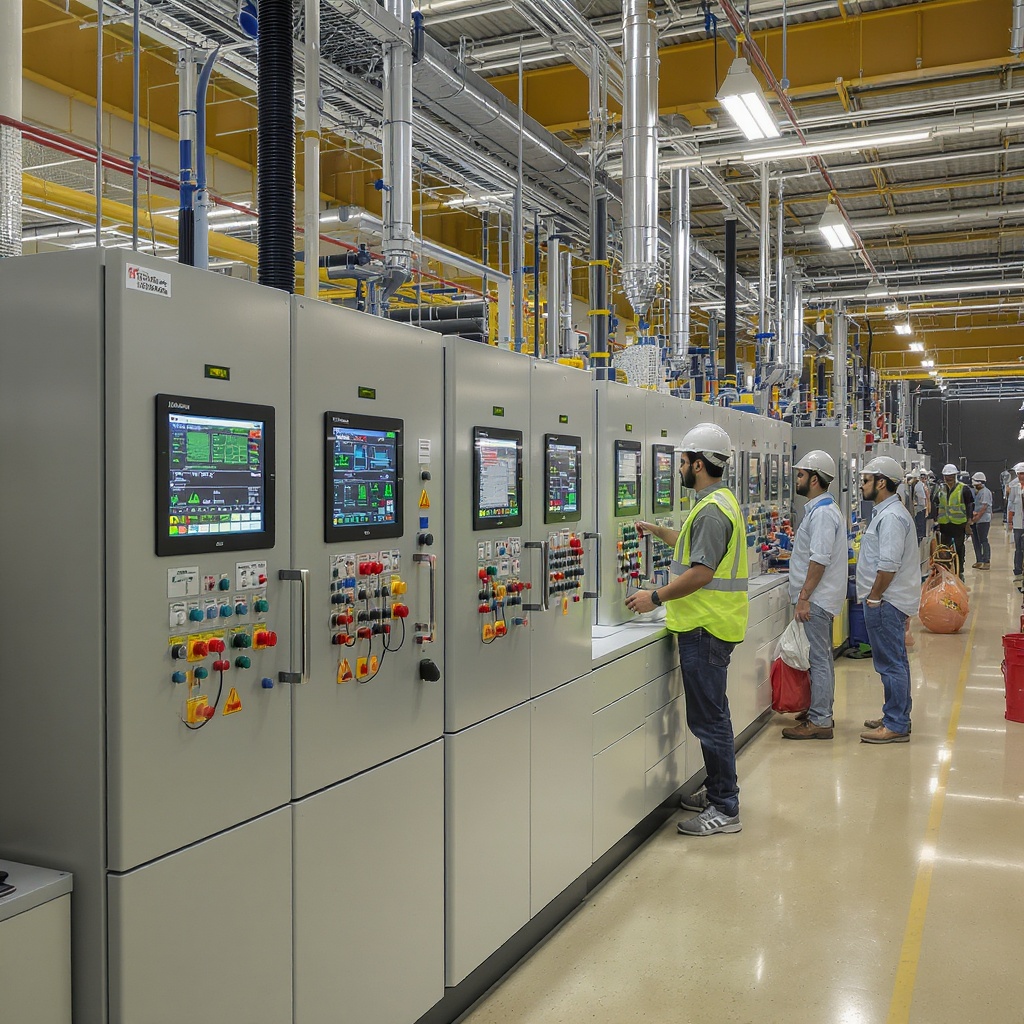
SkillForge is an industrial automation training academy embedded inside a working manufacturing facility in Pune. Students learn PLC programming, SCADA systems, and robotics by working alongside the machines that actually run in factories — not demo kits.
Real equipment. Real production scenarios. This is what makes SkillForge different.
Every automation training institute in Pune shows students how to program a PLC. Almost none lets students troubleshoot a live leak-testing machine mid-shift or watch a robotic welding station run its cycle. That gap is where SkillForge lives.
Modules are designed around real production scenarios. A PLC program you wrote to control a helium leak tester. A SCADA screen monitoring an actual automotive line. Not textbook exercises.
Students observe how equipment behaves under production conditions: sensor noise, cycle time pressure, fault scenarios. This is what separates a training graduate from a job-ready engineer.
We do not wait until graduation to find you a job. Employer partnerships are part of the program design. Every batch includes structured recruitment interactions with companies actively hiring automation engineers.
Instructors are working automation engineers with manufacturing backgrounds. Not academic faculty. Not generic trainers. People who program machines professionally every day.
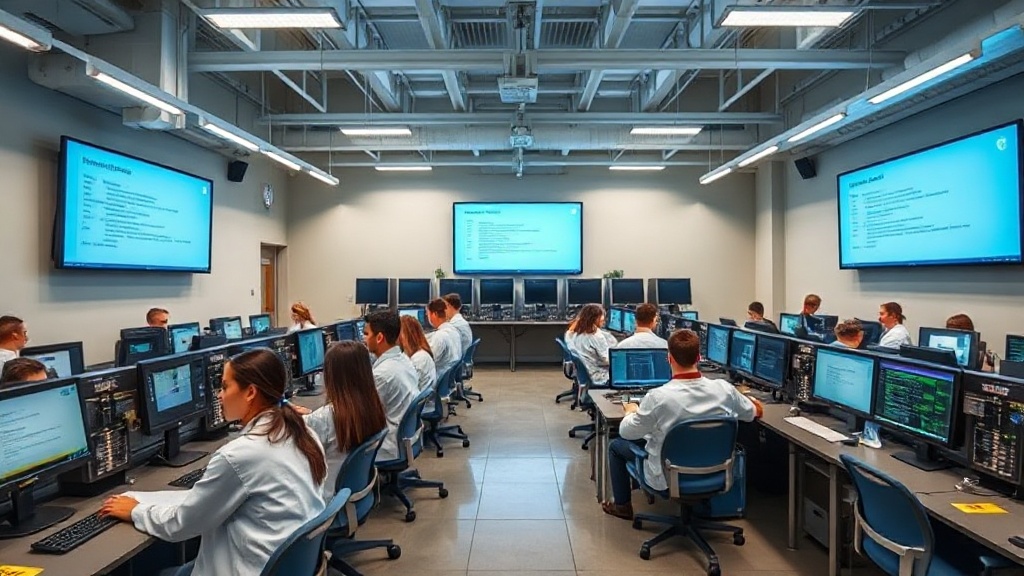
A 12-week intensive. Each module builds on the previous. You finish with a working portfolio of automation projects from the factory floor.
Relay logic, ladder diagrams, wiring standards, motor control circuits. The foundation everything else rests on.
Ladder logic, function blocks, sequencers, PID loops. Programming on real PLC hardware — not simulators. Projects tied to factory floor machines.
Building operator interfaces from scratch. Configuring screens, alarms, trend displays, and data logging. Connecting to live PLC data on the production floor.
PROFINET, Ethernet/IP, Modbus, industrial Ethernet architecture. How machines actually communicate in a modern manufacturing plant.
Robot programming, end-of-arm tooling, automated inspection systems. Working with actual robotic welding and assembly stations in the facility.
The skill that separates a junior engineer from a useful one. Diagnostic techniques, fault isolation, start-up checklists, working with real production pressure.
Hear from engineers who trained at SkillForge
"I had theoretical knowledge of PLCs from college. SkillForge gave me the practical exposure that made employers take me seriously. I modified a live S7-1200 program on my second week."
"What stood out was working on real machines, not simulators. I was diagnosing HMI faults on a live production line by week 7. That's what made the difference in my interview."
"The industrial networking module was the most valuable. I configured a PROFINET network in our factory after the program — something I had no idea how to do before SkillForge."
"I joined with a mechanical engineering background. After 12 weeks I was reading ladder logic and working with RSLogix 5000. The factory floor exposure changed how I think about automation."
"The troubleshooting week was the realest interview prep I could have asked for. I walked into my interview and described actual fault scenarios I had worked through on the floor. They hired me on the spot."
"Small batch size meant actual attention from instructors. By week 10 I was programming a FANUC robot cell alongside my peers. That project became the centerpiece of my portfolio."
A job-ready automation engineer who can hold their own on a factory floor from day one. Not a certificate holder. An actual working engineer.
Fresh automation engineers with practical skills. Range varies by employer and location within Pune industrial corridor.
Most engineering graduates in Pune can recite what a PLC does. Almost none have touched a live one, wired a control cabinet, or watched a production line go down and known exactly what to do. That is not their fault. It is the training system's failure.
SkillForge exists to close that gap — permanently, practically, for engineers who are ready to work.
Tell us a bit about yourself and we'll get back to you within 24 hours with next steps.